Training Professionals to Identify Resilient Trees and Support Butternut Recovery
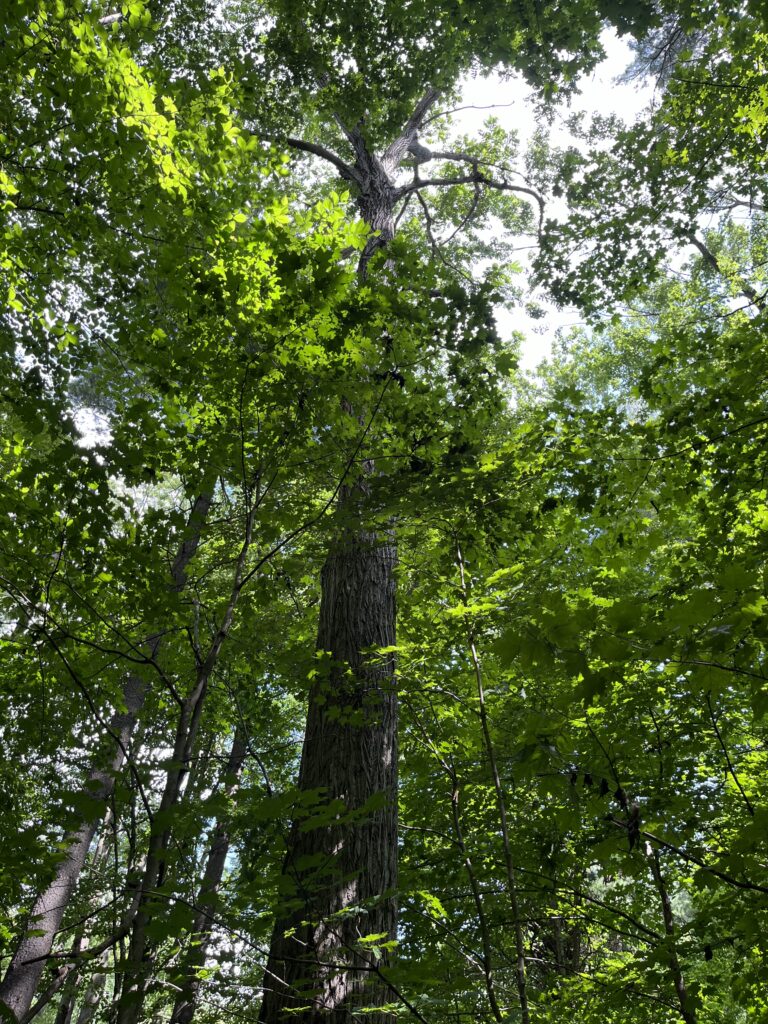
The butternut tree is an endangered species protected both federally and provincially in Ontario. Locating, assessing, and archiving healthy butternut trees across Ontario’s native range has become a priority in federal and provincial recovery strategies—and this is where the FGCA plays an important role.
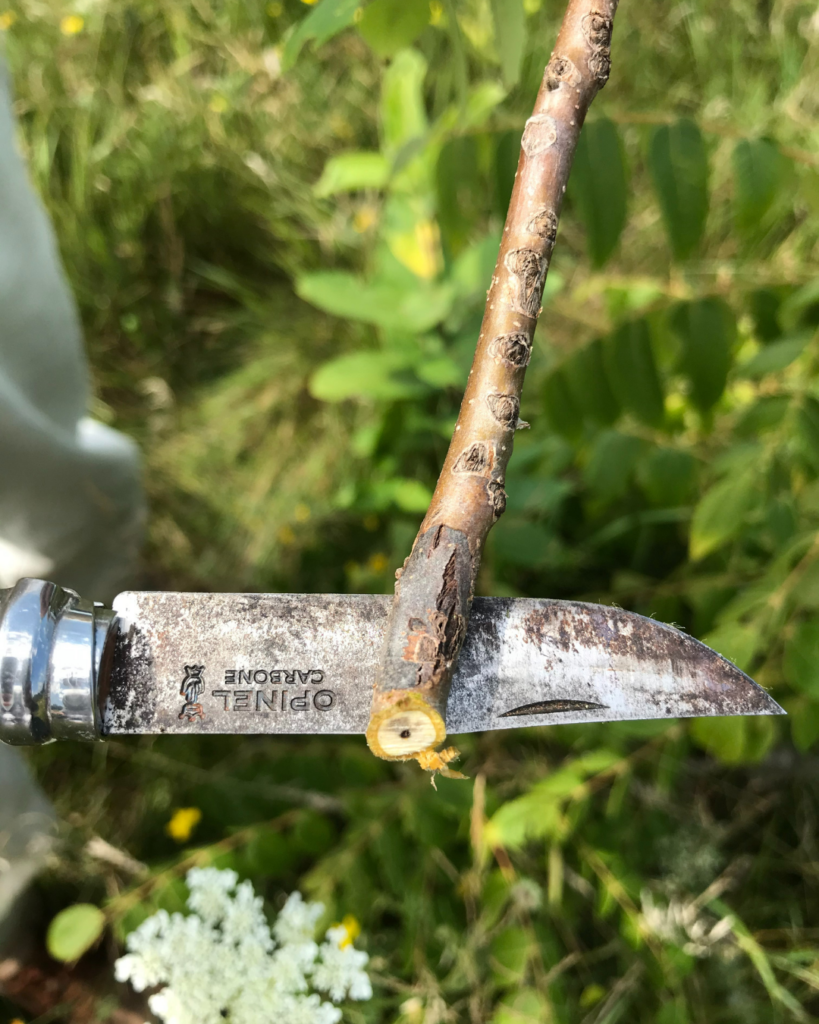
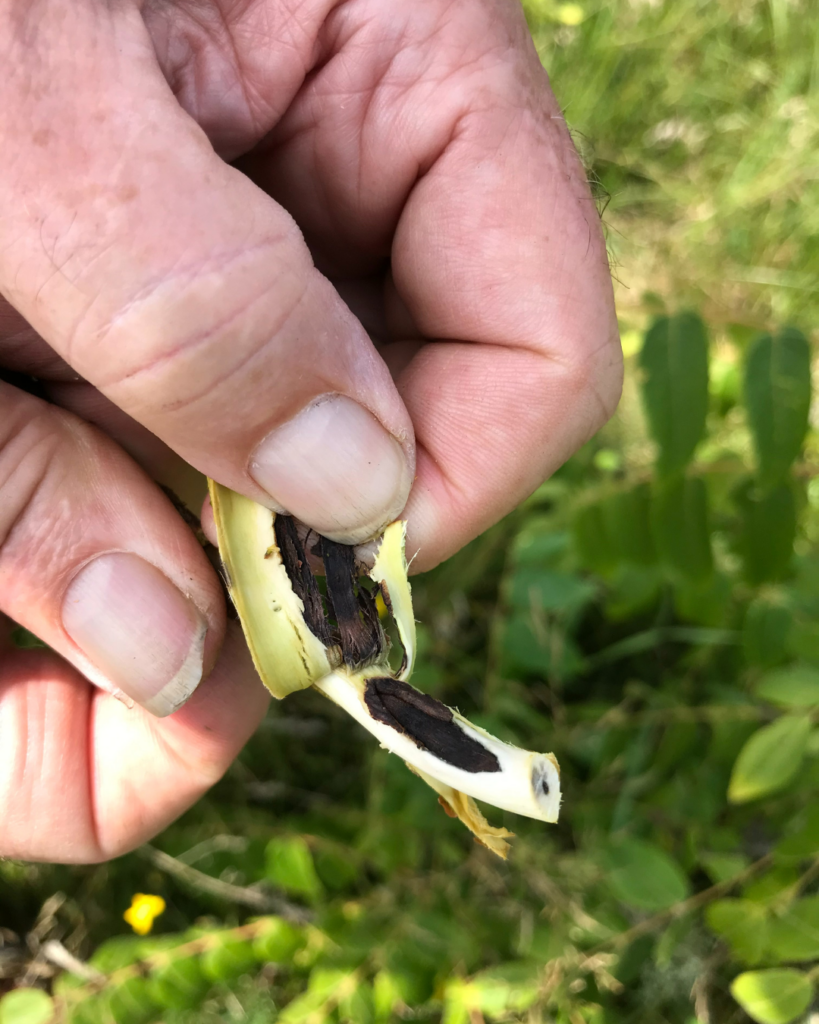
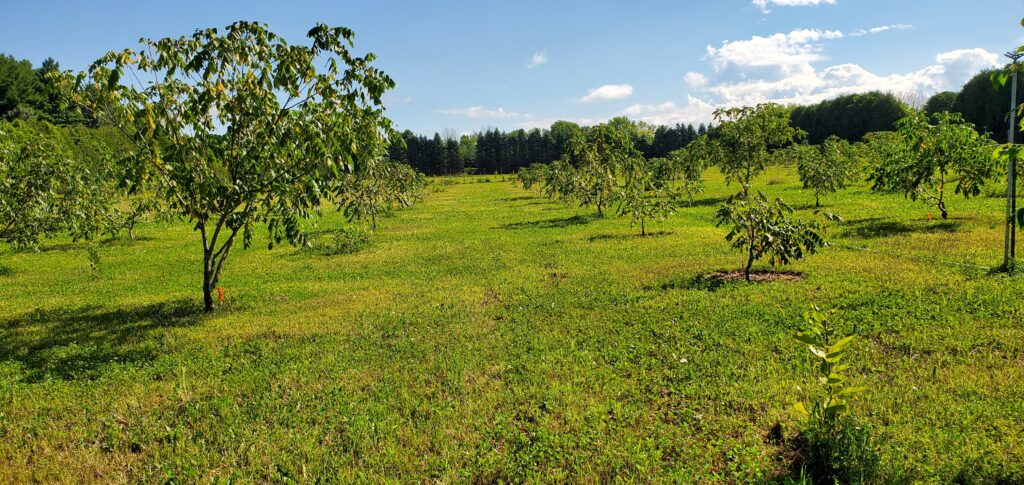
For more than 30 years, FGCA has helped lead butternut recovery efforts. Early in our association’s history, we helped develop standardized health assessment protocols, later incorporated into the assessment forms required under Ontario’s Endangered Species Act (ESA). Today, the ESA requires that butternut trees be assessed by a trained Butternut Health Expert, and FGCA has played a key role in training these professionals. We have also conducted extensive searches for healthy butternut across the province, identifying trees that show tolerance to butternut canker. To date, we have grafted over 200 of these trees and maintain their ramets (clones) in six butternut orchards. These orchards help support future seed production from trees selected for their resilience, improving the chances of successful regeneration for this endangered species.
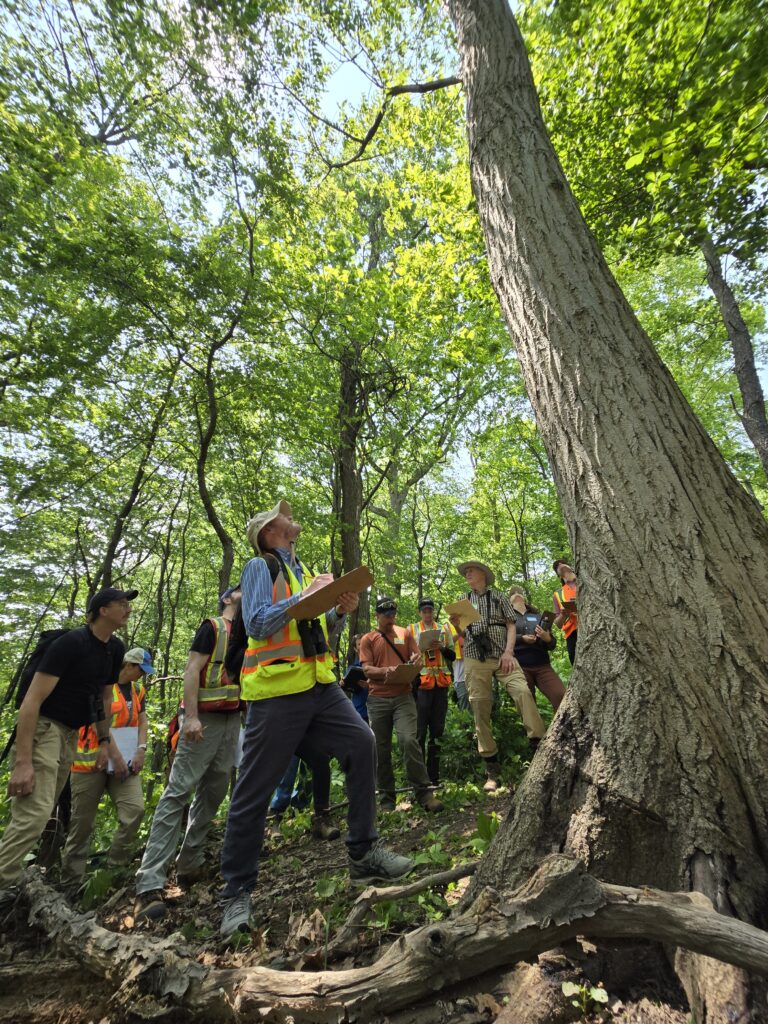
The FGCA Butternut Health Expert (BHE) Workshops are designed to provide professionals with the knowledge and hands-on experience needed to confidently assess butternut health for legal purposes and recovery efforts. Each workshop combines classroom learning with practical field experience. Participants begin the day reviewing key topics such as butternut and butternut-hybrid identification, the ESA and its reporting tools, species recovery efforts, and the principles of conducting health assessments. In the afternoon, the group heads into the field to practice these skills firsthand. Participants work through real examples of health assessments, including identifying canker infections, evaluating crown health, looking for seed signs, and recognizing indicators of both stress and resilience in trees.
So why is this training important? And how does it promote genetic diversity?
Trained Butternut Health Experts are better able to distinguish pure butternut from hybrids in the field. They gain essential assessment skills and learn to view trees through the lens of health and resilience. With this outlook, they can work to preserve trees that show signs of tolerance to butternut canker. Protecting these selected trees allows their potentially resilient genetics to be passed on to the next generation. Much like our orchards, this may lead to future generations of even more tolerant butternuts.
Butternut Health Experts also serve as a bridge between FGCA (and other recovery organizations) and landowners with healthy butternut trees on their property. These connections support efforts like seed scouting and tree archiving, creating additional benefits for species recovery and overall genetic diversity. Since much of butternut’s range in Ontario falls on private land, having more trained practitioners is increasingly important. They help carry the message of retention and recovery to clients and property owners who steward the land.
This year our BHE workshop will be held on June 25th and 26th in Ancaster Ontario. Join our our BHE Workshop waitlist to be the first to know when registration opens!
Leave a Reply
You must be logged in to post a comment.