
A National Certification Program Ensuring High-Quality, Source-Identified Seed for Healthier, More Resilient Forests
Every forest begins with seed—but not all seed is created equal.
For more than 30 years, Forest Gene Conservation Association (FGCA) has recognized and championed the importance of using genetically diverse, biologically appropriate seed and planting stock to establish healthy, resilient forests. Over 1,000 seed collectors, professionals and growers have been certified through FGCA’s Ontario’s Natural Selections program; we’re now building on that legacy with Forest Source Selections (FSS), a new national, voluntary certification program that will help collectors, growers and buyers identify and collect high-quality, source-identified and fully-traceable forest reproductive material.
As climate change, biodiversity loss and large-scale restoration projects increase the demand for reliable seed sources, FSS provides confidence that the right seed is being planted in the right place.
Building on a Strong Foundation
For many decades, the province of Ontario led most tree seed related activities from forecasting to collection, processing and storage through provincially managed nurseries and the Ontario Tree Seed Plant (OTSP). However, as the province moved towards a privatized system while simultaneously downscaling support for tree planting in Ontario in the late 1990s, the infrastructure, staff, and research that supported a quality seed supply were also diminished. The immediate effect of these systemic changes were a lack of regulations and few incentives to help ensure that tree planting efforts resulted in long-term benefits.
In response, in 1996, FGCA’s membership, supported by funding from the Ontario Ministry of Natural Resources and the Richard Ivey Foundation, unanimously agreed to develop Ontario’s Natural Selections seed certification program, which focused on biologically-appropriate seed and stock.
The certification emphasized that seed should be collected during good seed years, from large, healthy stands, and from many individuals in each stand to ensure that maximum genetic diversity was represented. The brand was built on strong programming and very strong industry, government and user input and support, and for many years has represented a high-quality standard.
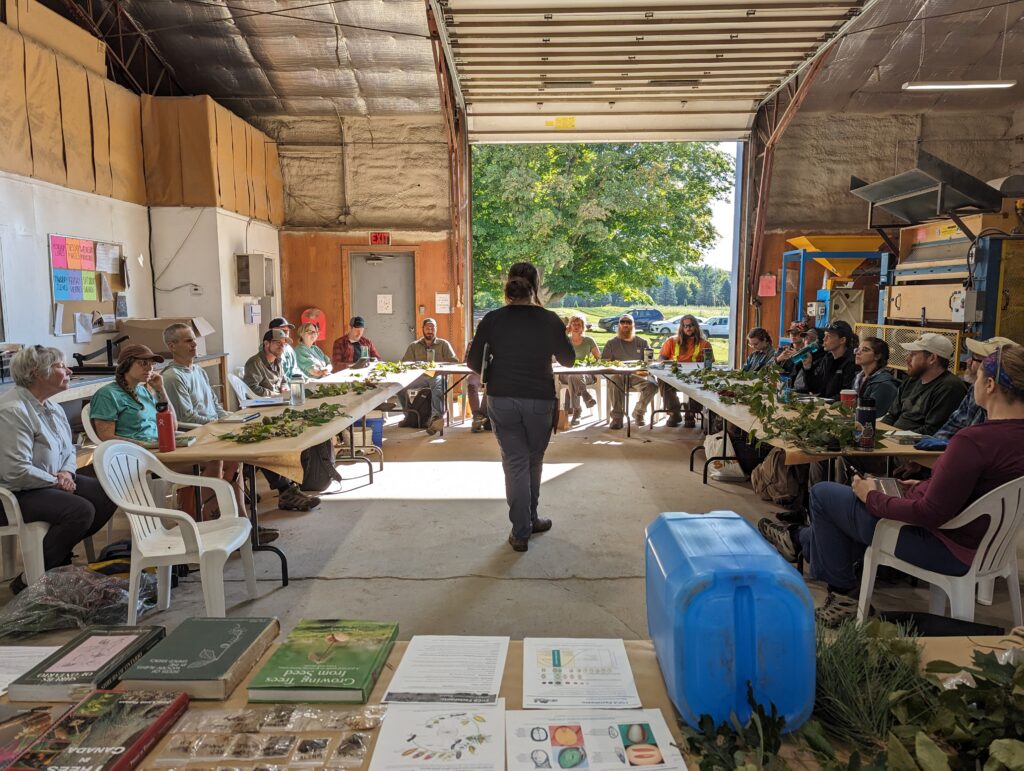
For years, the FGCA has continued to train and support seed collectors and nurseries to supply high-quality seed and seedlings, alongside critical infrastructure like the OTSP. The closure of the seed plant in 2018 created another major shift in the seed supply chain that required action. Many private companies have developed and continue to develop capacity to collect tree seed, process and store it to support reforestation and private land afforestation work. With so many changes to the seed supply system, including now being fully privatized, and few incentives or regulations to ensure that high-quality seed is used, certification standards have become more important than ever.
Ontario is not alone in the changes to its seed supply system, in the loss of knowledge, expertise, and infrastructure, as well as the reduction or lack of policy or standards for seed. This is why the new certification program is being made available nationally.
A New Certification Standard
Forest Source Selections builds on decades of experience with an updated certification system for seed, vegetative propagules and nursery stock.
To earn FSS certification, seed collectors and producers must meet strict standards for:
- Collection, handling and distribution best practices
- Clear source identity information
- Correct species identification
- Complete source-to-planting traceability
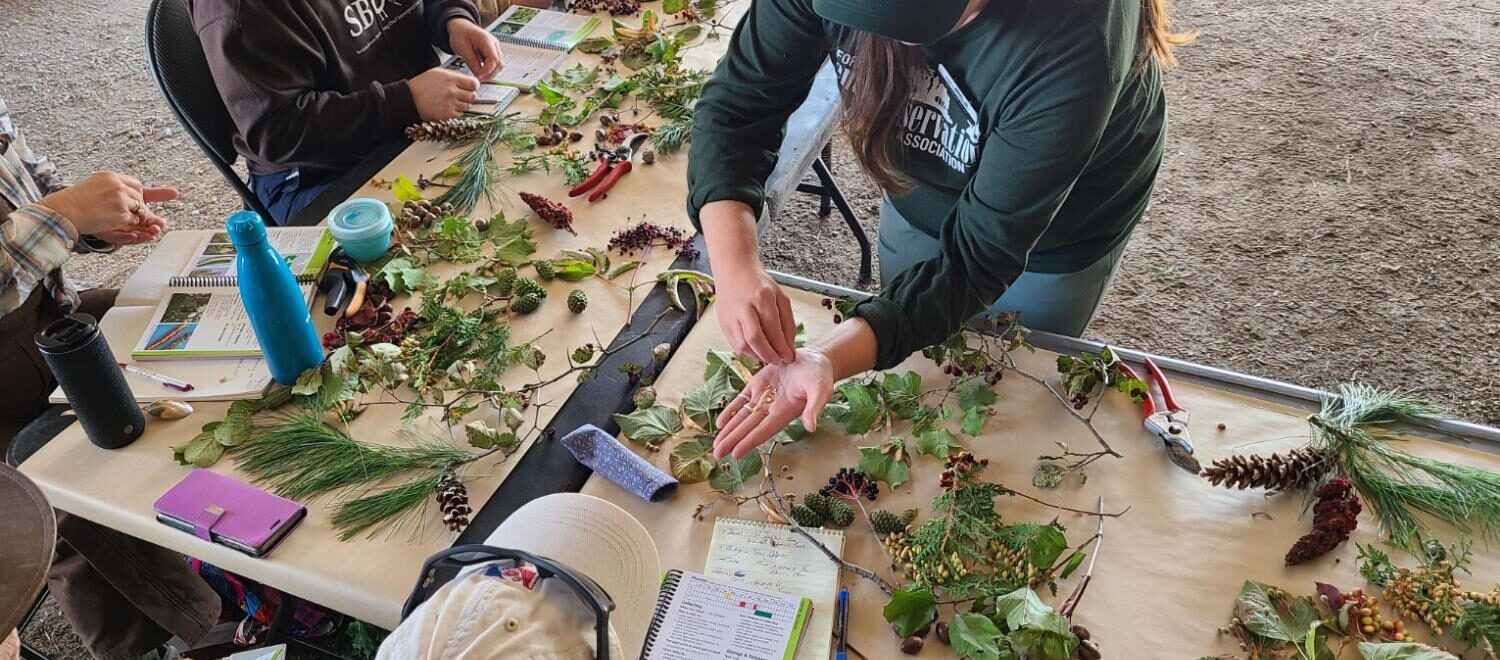
The program also establishes specific requirements for participants. Seed collectors must complete training and pass an exam, and plant growers must have their facilities inspected and approved. Everyone involved is expected to follow professional standards and a code of ethics.
Why Certification Matters
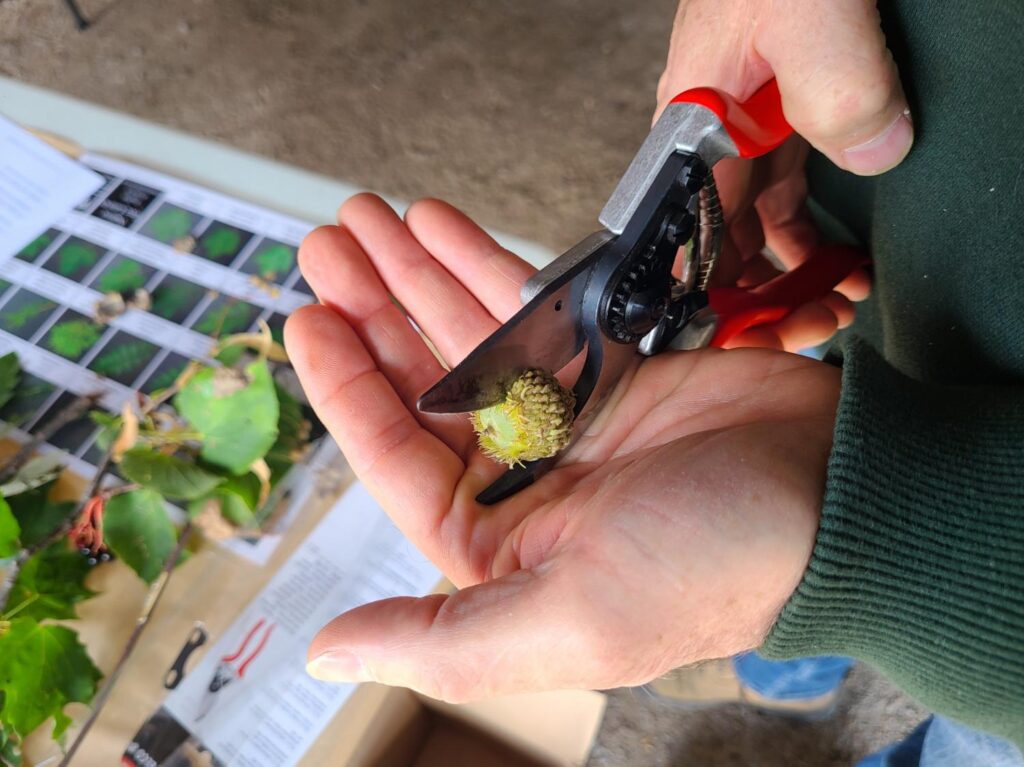
Certification ensures familiarity with important concepts in conservation science, such as genetic diversity and assisted migration. This knowledge, along with seed quality concepts, can help guide collectors when selecting potential collection sites, to collect better seed and to better market the product.
And while certification is voluntary, some employers (such as nurseries or conservation authorities) and buyers (e.g., forestry and restoration companies) do require it. Similarly, some planting programs prefer to source seed and seedlings from certified individuals or companies. Collectively, this ensures that planting projects are of the highest quality and improves their resilience in the face of a changing climate.
Growing Better Forests
Most people don’t think about the complexities of successful seed sourcing; certification allows the industry to offer assurance that their product meets the standards of biological appropriateness or genetic suitability required by their clients.
Forest Source Selections gives Canada’s forest restoration sector a trusted, science-based certification program that supports sustainable forestry, restoration and the creation of climate-resilient forests, now and into the future.
Leave a Reply
You must be logged in to post a comment.