How the FGCA Partners with Sustainable Forest License Holders
Ontario’s Crown forests are a vital natural resource, managed not only for timber production and bioenergy but also for biodiversity, climate resilience, and long-term ecological health. Sustainable Forest License (SFL) holders are companies and cooperatives that hold a license to manage portions of Crown Forest and play a critical role in ensuring these forests remain productive and healthy for future generations.
To meet these responsibilities, SFL holders often have to go beyond traditional silviculture to create future forests that are resilient to the many changes we anticipate. That’s where forest genetics and the expertise of the Forest Gene Conservation Association (FGCA) come in.
The FGCA is a non-profit organization that has been working since 1994 to ensure that genetic diversity is maintained as the foundation of a resilient forested landscape in Ontario. The FGCA is focused on integrating forest genetic principles into forest management practices to support long-term resilience in the face of threats like climate change, pests, and diseases.
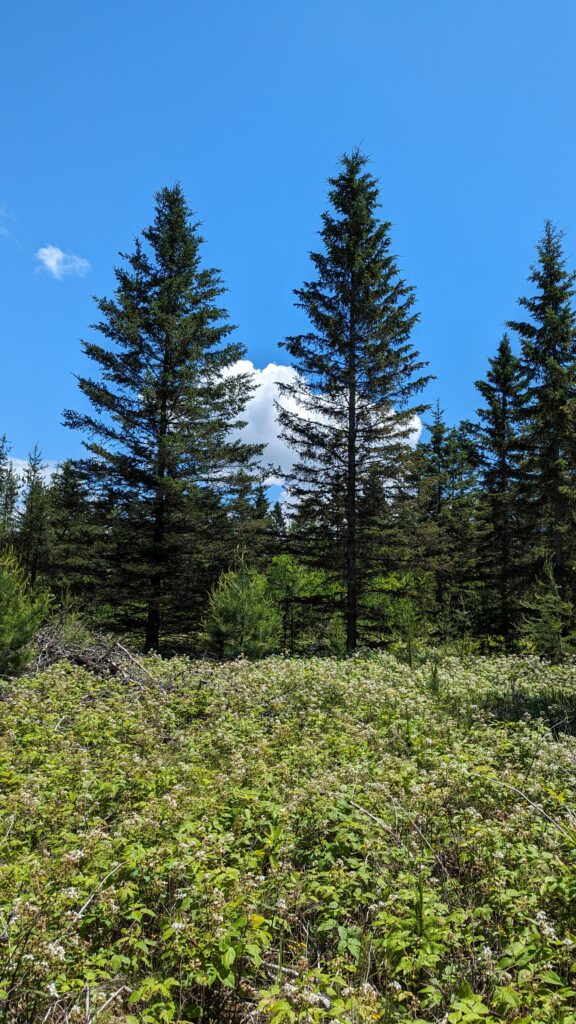
Tree species, like all living organisms, have genetic variation within their populations. This genetic diversity helps forests adapt to changing climate conditions, resist insects and disease, recover from disturbances like fire or harvesting, and maintain healthy regeneration. Without the attention to forest genetics, reforestation and forest management practices risk narrowing genetic diversity, potentially undermining forest resilience in the long term.
The FGCA supports SFL holders in several practical ways to help integrate genetic conservation into Crown Forest management:
1. Providing Seed Source Guidance
FGCA helps SFL holders in their work to procure seed provenances that are best suited to today and future climate conditions. This may include:
- Ensuring seed used for replanting is locally adapted (utilizing seed orchards created between the 1970s and 1980s)
- Promoting within population assisted migration and range expansion projects when appropriate and as approved by the Ministry of Natural Resources
- Avoiding genetic bottlenecks by ensuring diverse parent trees are used in seed collection
- Conserving at risk tree species or species of concern that are present in the managed forest
- Ensuring forest managers understand how to apply the Ontario Tree Seed Transfer Policy when moving material and when to obtain additional approvals
2. Delivering Training and Technical Tools
The FGCA offers tools and knowledge exchange sessions for forest managers and silviculture teams, covering:
- Seed collection best practices
- Tree gene conservation techniques
- Climate-informed forest regeneration strategies
- Expertise from across Canada and the United States on topics that matter most to SFLs
- Expands on current management techniques with an eye on the future of selection harvests under a changing climate
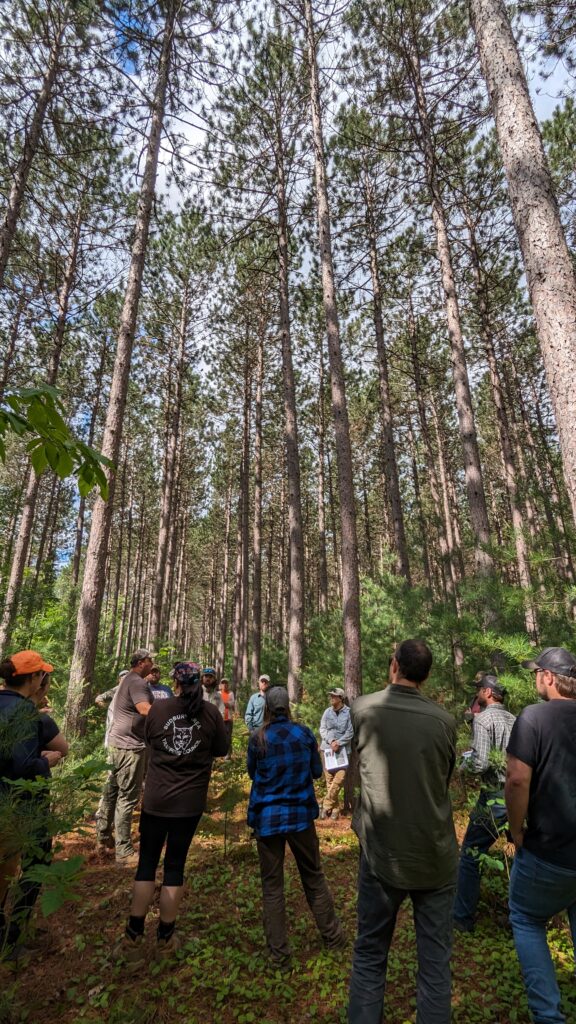
These resources help build internal capacity within SFL organizations to make informed, genetics-based decisions and allows for the space to collaborate and share between forestry experts
3. Conserving At-Risk Tree Species
FGCA also leads efforts to conserve rare or threatened native tree species, such as butternut and red spruce, by:
- Coordinating ex-situ conservation (seed banks, clonal archives, etc.)
- Supporting opportunities to identify lingering individuals when feasible
- Discussing and focusing on species that are not yet listed as at risk but may become at risk in the not to distant future
- Assisting SFLs in meeting biodiversity targets under forest management plans as they require
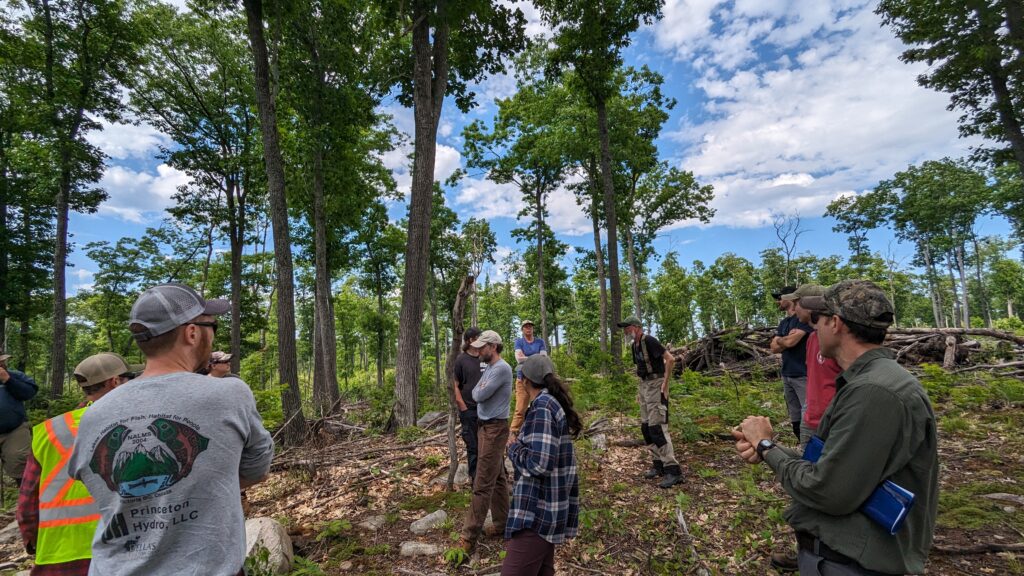
For SFL holders, integrating forest genetics into operations isn’t just good stewardship—it’s also a smart risk management strategy. It helps ensure that the forests they manage can continue to grow well under future conditions, provide sustainable yields over time, and meet biodiversity and conservation commitments under Ontario’s Crown Forest Sustainability Act.
SFL holders have a big job: balancing economic, ecological, social, and cultural values in the management of Crown Forests. With the support of the Forest Gene Conservation Association, they can do this more effectively ensuring that the forests they manage today remain healthy, diverse, and resilient for decades to come.
Leave a Reply
You must be logged in to post a comment.