
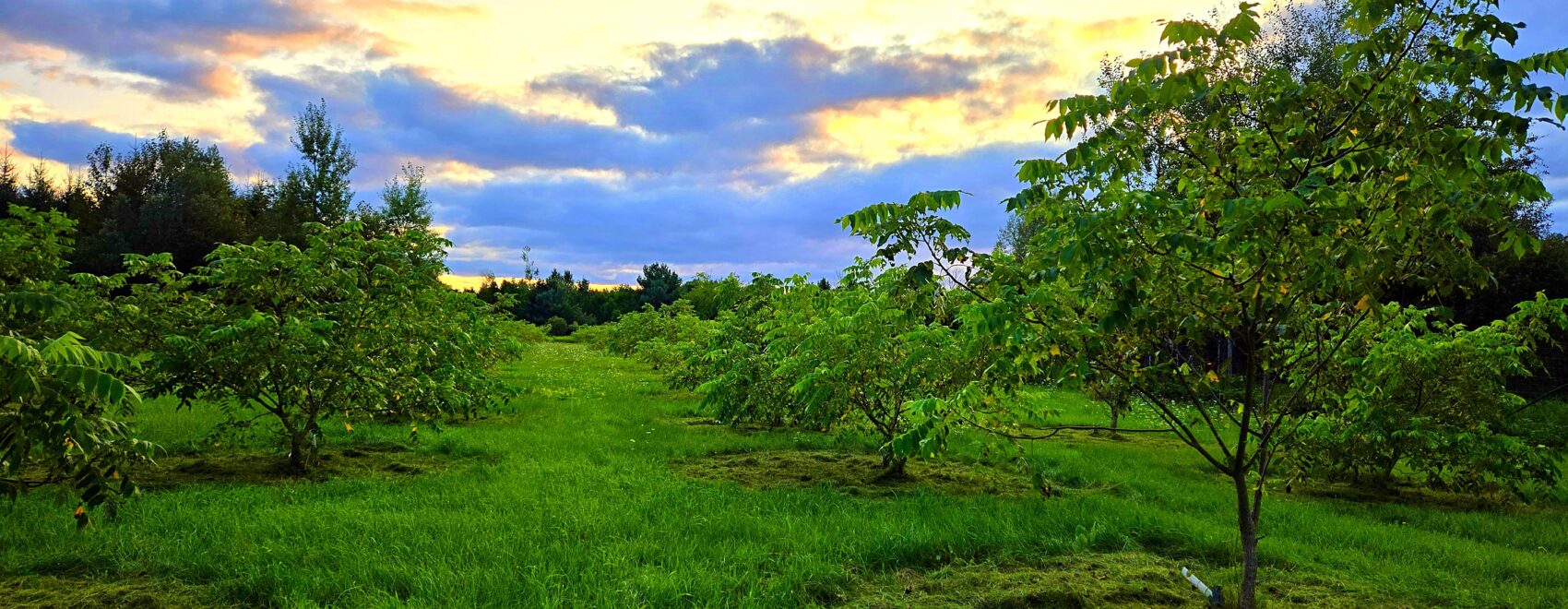
Assessing Winter’s Impact and Preparing for a Thriving Growing Season
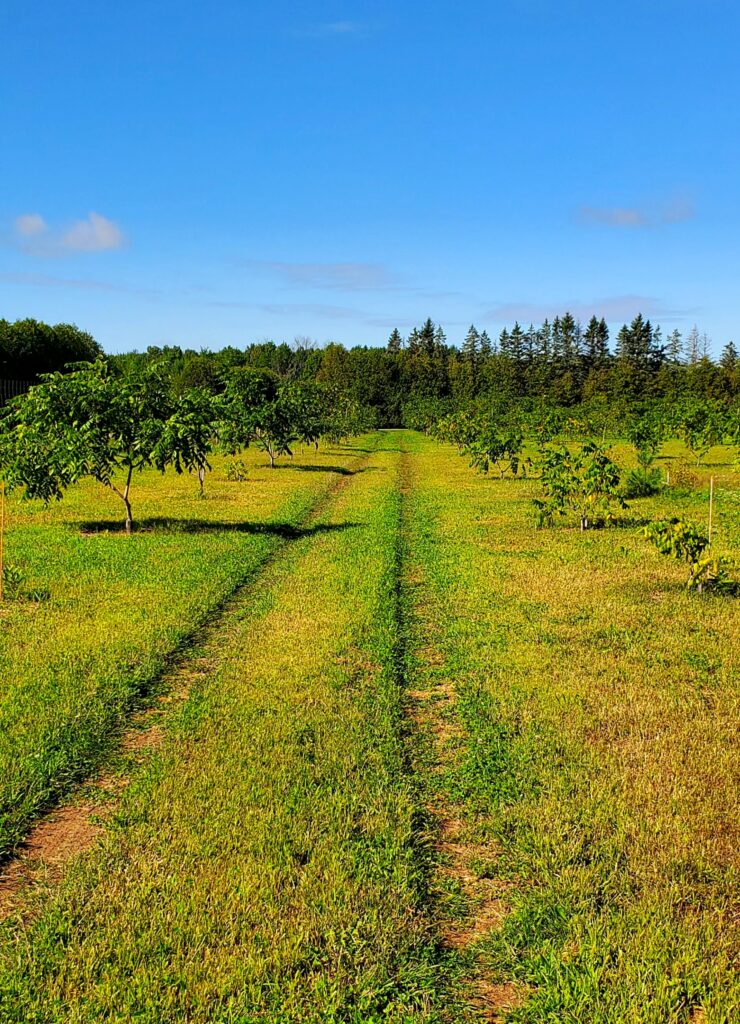
Spring has arrived, and with it, work at FGCA seed orchards has shifted back into high gear. Winter always feels like such a long season, making it a relief to step back outside and reacquaint ourselves with the sites we maintain. However, this time of year can also bring moments of dismay when assessing winter damage. Young trees are particularly vulnerable to various forms of harm, and the open and isolated nature of an orchard can sometimes amplify these effects. Common winter issues at our sites include rodent damage, desiccation, snow and ice damage, and even vandalism. Some of these challenges are easier to address than others, but each one presents a valuable learning opportunity for orchard managers.
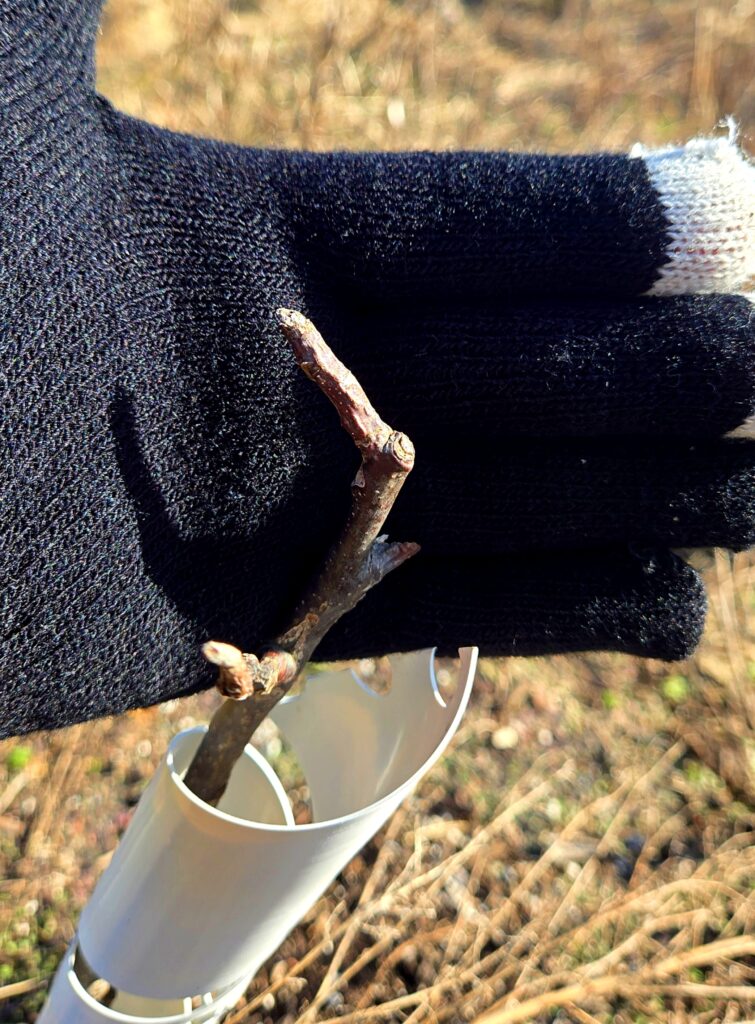
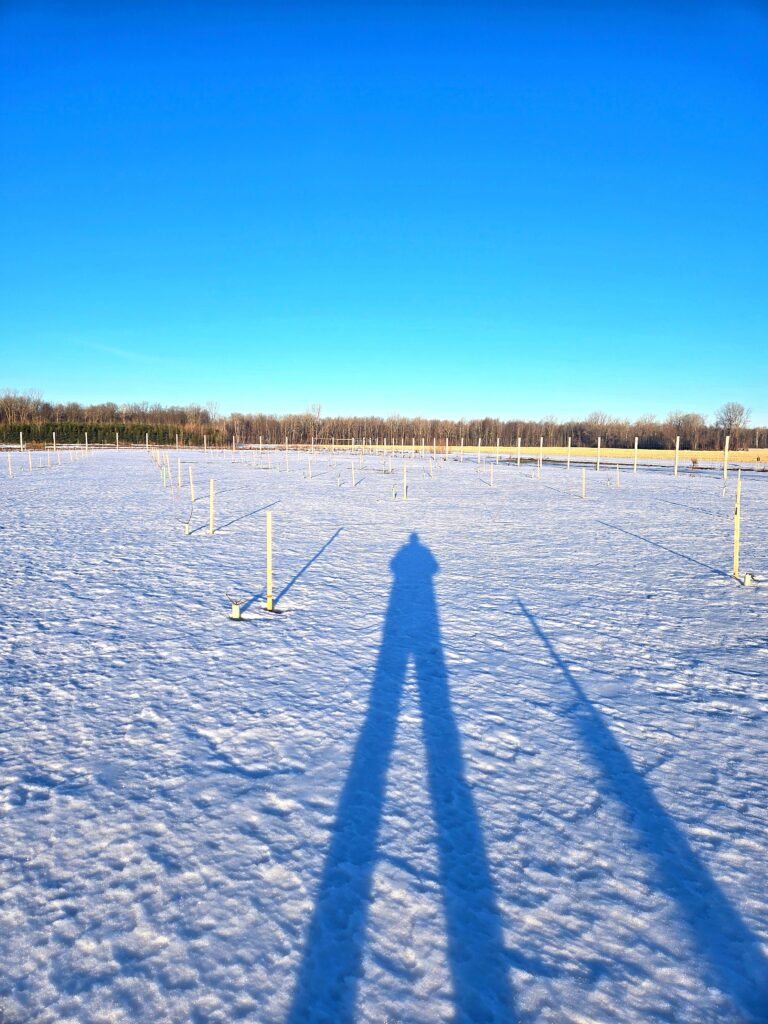
This year, many of our sites experienced heavy snowfall, particularly in our southern orchards. Most sites endured the winter with minimal damage, however some younger grafts did not fare so well under icy conditions. Some trees were only slightly harmed and could be repaired with grafting tape, while others were damaged beyond recovery, requiring some extra work for this year’s grafting program. Although the loss of trees can be disheartening, we understand that we are dealing with nature and plan to modify and adapt as extreme weather events are likely to increase. The data collected from these incidents directly influences how we refine our operations, develop new protocols, and enhance our grafting techniques to create stronger, more resilient grafts.
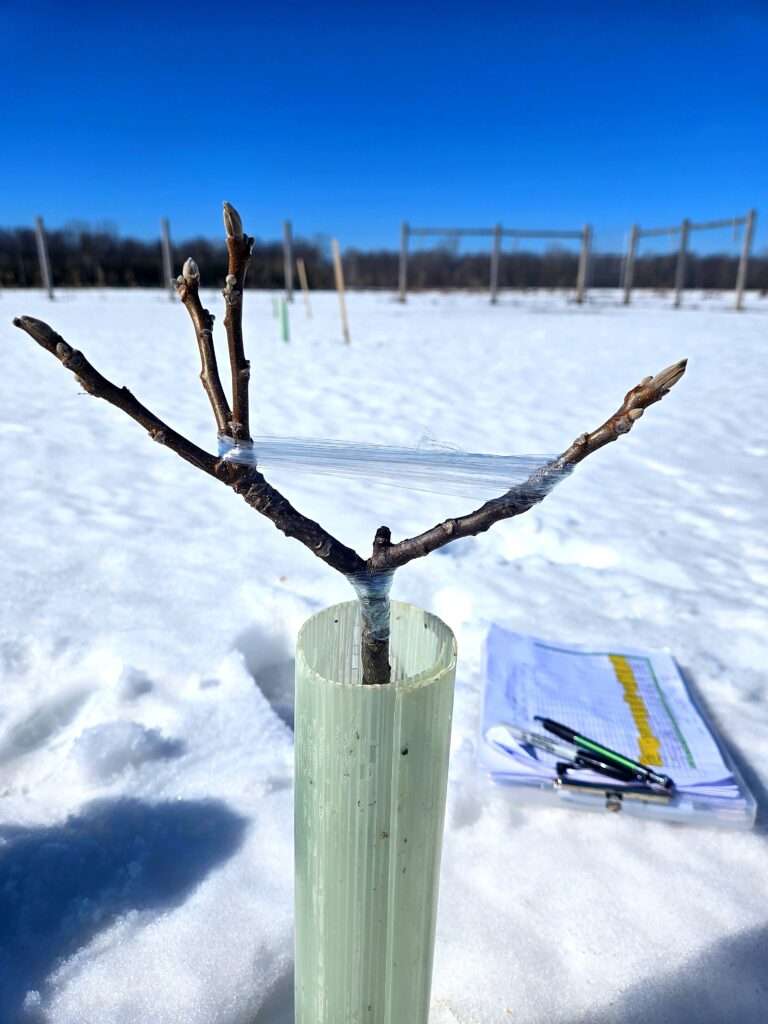
Rodent and browsing damage are other common issues as snow levels recede. FGCA takes proactive measures throughout the growing season to minimize these risks through cultural practices such as mowing, installing rodent guards in the fall, and fencing our sites to deter browsing wildlife. Older trees can often withstand the occasional gnawing of a field mouse or vole, but younger plants can be girdled and expire.
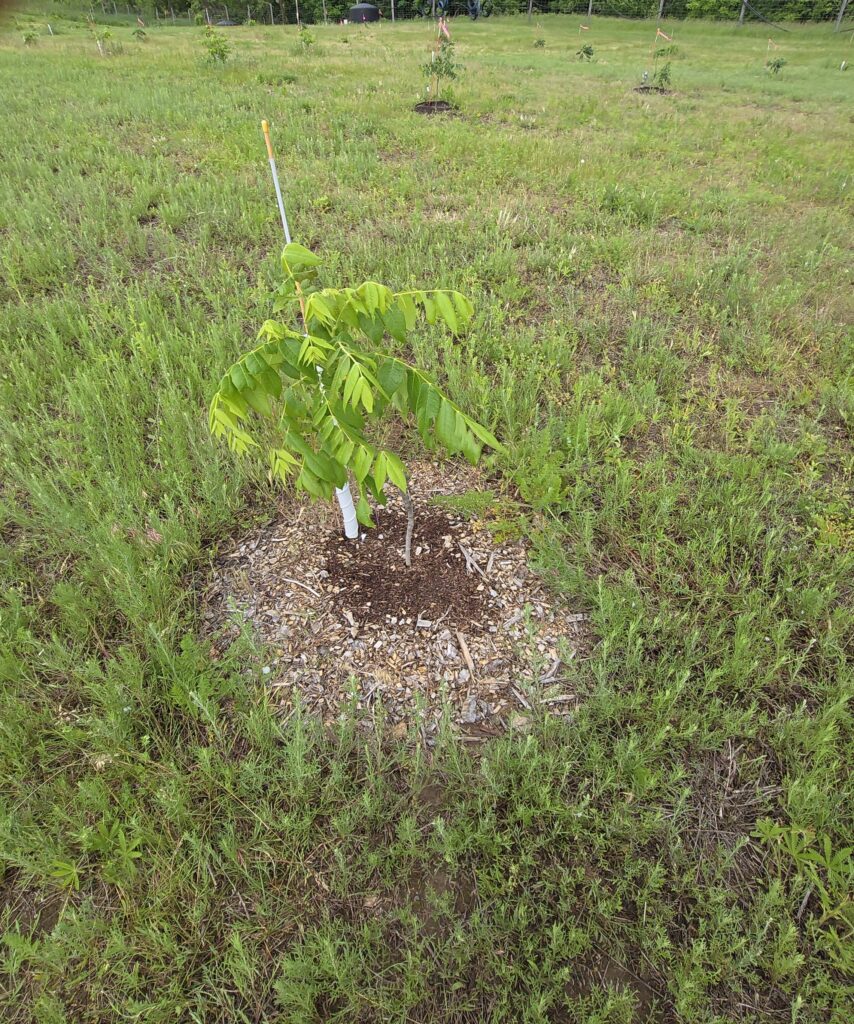
Desiccation, the drying out of plant tissue due to high winds and a tree’s reduced ability to absorb water from frozen ground, is an expected challenge at our sites. To mitigate its impact, we apply mulch around new plantings to retain moisture in the root zone. The good news is that trees often recover from this damage and can be rejuvenated through pruning later in the season.
Vandalism remains an ongoing concern at our sites. Beyond the financial burden of replacing stolen or damaged supplies, it is deeply discouraging to witness harm to our trees and property. Many of our orchards are in secluded locations with limited winter access, meaning weeks or even months may pass before we discover any damage. Through signage, community outreach, and education, we aim to foster a sense of shared responsibility for these sites. By engaging local communities, we can encourage vigilance, respect, and stewardship, ultimately helping to protect these special places.
Though challenges present themselves in any season, we know that the benefits of archiving this species will far outweigh the setbacks that we may endure. As we learn from these challenges, we become better equipped to help future tree species that may face the threat of being endangered.
References
Staff (2014, Dec 04). Everything You Need to Know About Winter Desiccation. Maine Woodland Owners. https://www.mainewoodlandowners.org/articles/everything-you-need-to-know-about-winter-desiccation
Leave a Reply
You must be logged in to post a comment.