Species Recovery
Science-based woody plant species conservation and recovery
Why Species Recovery?
Conserving the species of our existing forests starts with learning about the health of Ontario native species and the sites they are adapted to.
Managing Your Forest Sustainably
Conserving the genetic diversity of our existing forests starts with learning about the health of Ontario native species and the sites they are adapted to. When managing forests, start with a plan that is informed by a local professional, considers conservation principles and sustainability, while achieving economic outcomes.
Species that are at Risk
There are many reasons species become officially listed Species at Risk – either Endangered, Threatened, or Special Concern. A species may become at risk in Ontario due to impacts such as insect predation, diseases, habitat loss, and hybridization. In some cases more than one threat is at work. Other factors such as seed predation, poor harvest practices, natural rarity, etc. can add to their vulnerability. There are also tree species that are in trouble though not yet officially listed.
More than 200 species of plants and animals are at risk of disappearing from Ontario.
Learn how a plant or animal is classified as Endangered, Threatened, Special Concern or Extirpated. The Committee on the Status of Species at Risk in Ontario (COSSARO) oversees this work.
Butternut
Butternut (Juglans cinerea) is listed as Endangered in Ontario as part of the Protected Species in Ontario List under the Species Conservation Act (SCA). . The main threat to this species is Butternut Canker (Ophiognomonia clavigignenti-juglandacearum) which is a fungus that affects the cambial layer of butternut. Other threats include tree cutting, habitat loss, predation, and hybridization with exotic walnut species. Forest Gene Conservation Association (FGCA) has been working on recovering this species with the help of our many partners.
Black Ash
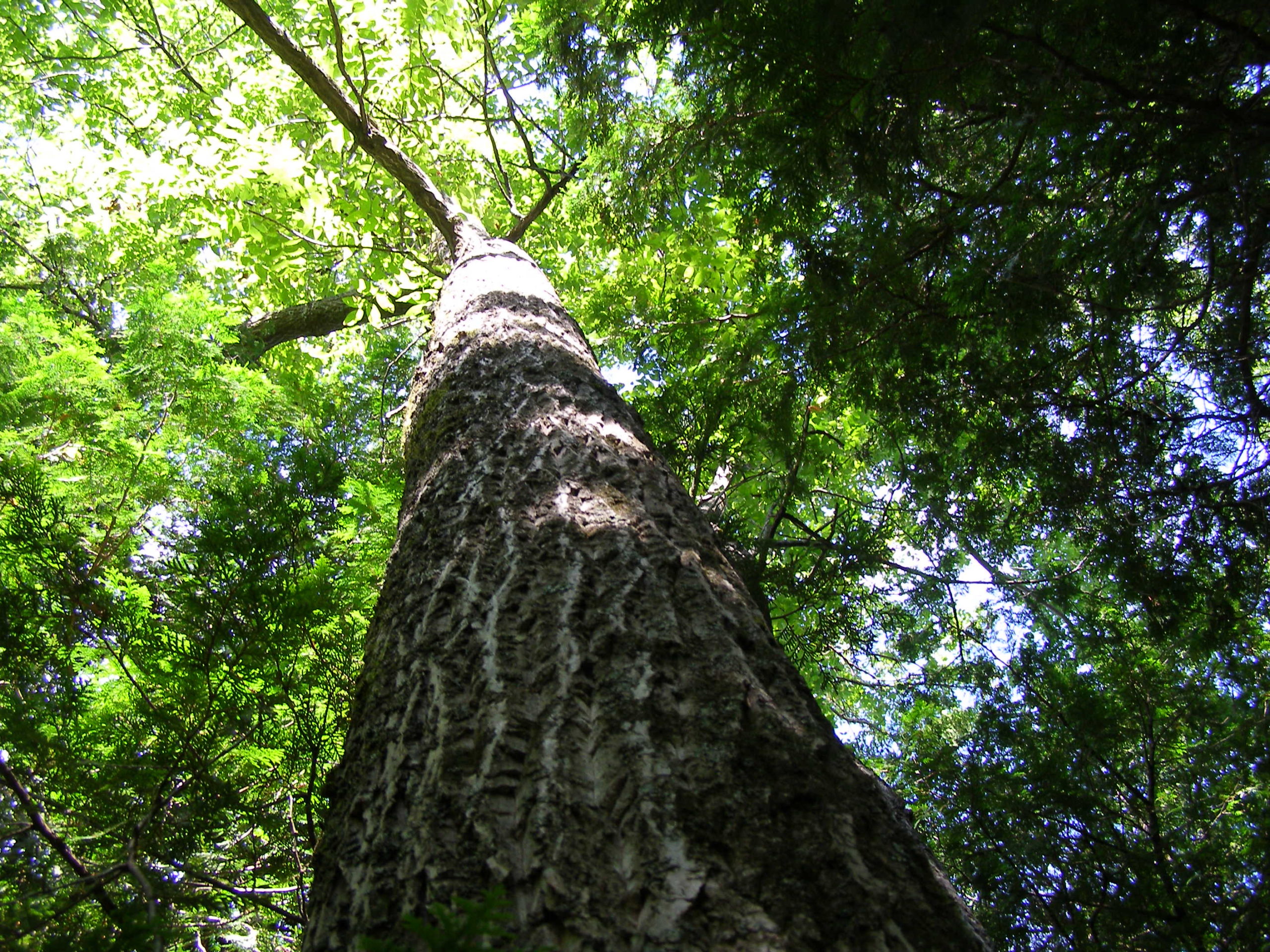
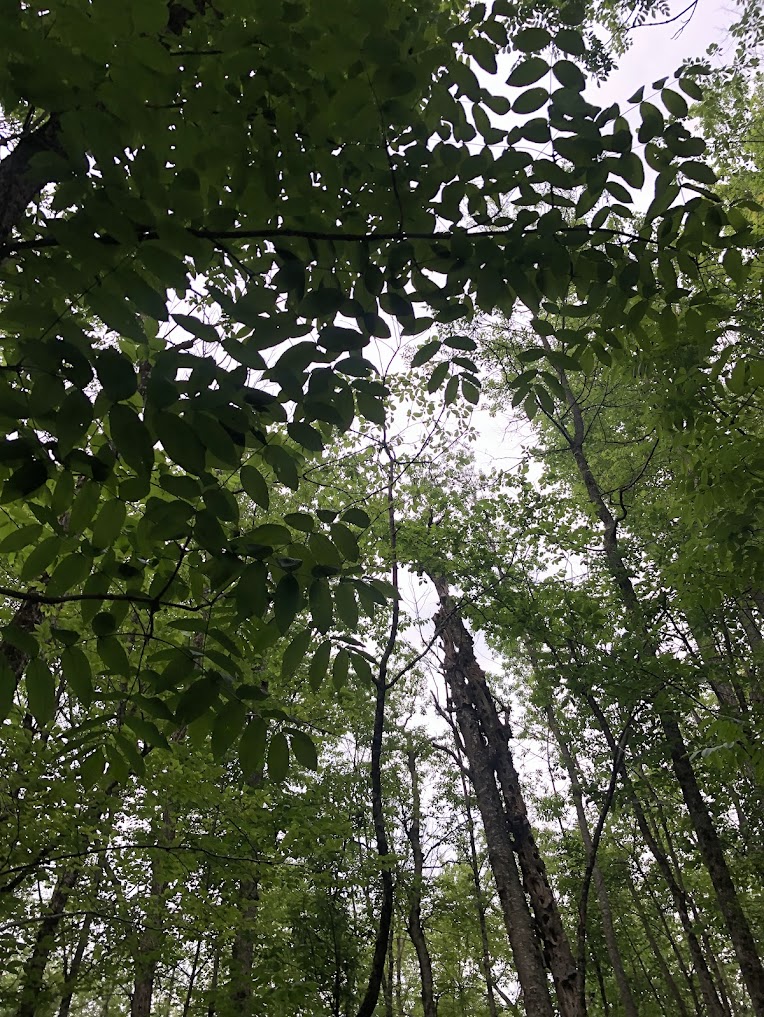
Black ash (Fraxinus nigra) is a wetland species, often located in swamp ecosystems in eastern North America. Black ash is listed as Endangered in Ontario as part of the Protected Species in Ontario List under the Species Conservation Act (SCA), in areas that have been severely impacted by the Emerald Ash Borer (EAB). The invasive EAB is the main threat to ash species. Forest Gene Conservation Association (FGCA) has been working on recovering black ash with the help of our many partners.
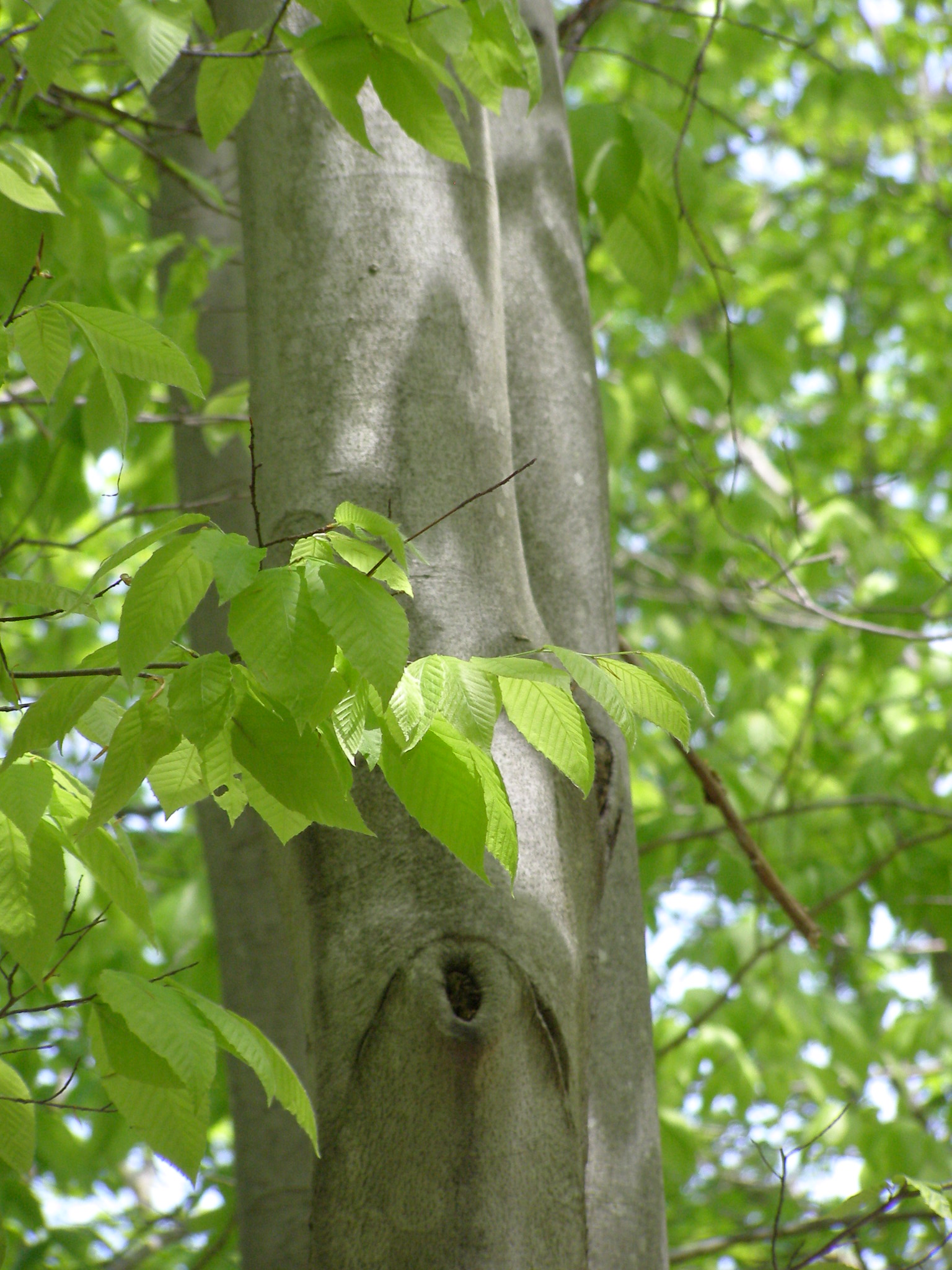
American Beech (Fagus grandifolia) is a foundational late-successional species native to the Great Lakes St. Lawrence Forest region in Canada. It is not currently listed or considered an endangered species due to the fact that it has thriving populations in this region. The FGCA is focused on this species as it has been impacted by Beech Bark Disease across the range and in some parts of the range is being impacted by Beech Leaf Disease. American Beech is a high conservation priority.