
A Look Back at Decades of Conservation and the Path Forward for At-Risk Tree Species
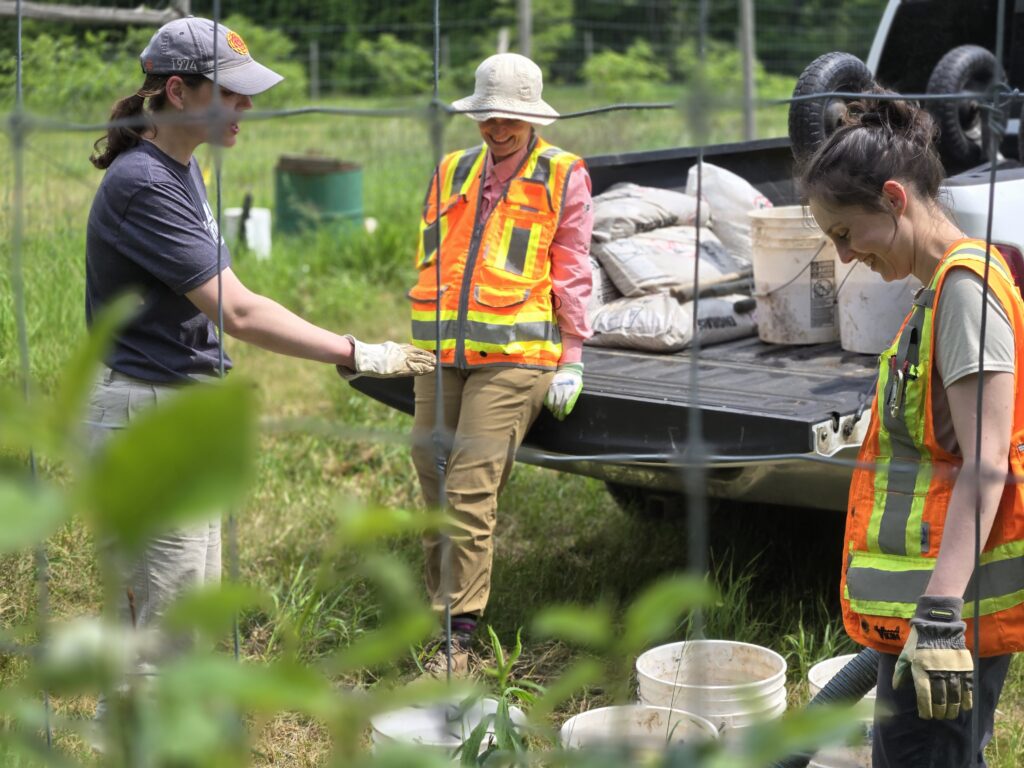
Photo credit: Adam Youngblut
Although policy is changing, our commitment to recovery remains strong. . Our team has been working consistently for nearly 30 years on gene conservation and recovery efforts for woody at-risk species, and it is important now (more than ever), to reflect on where we have come from and where we are going.
Here we have outlined four main strategies for forest gene conservation that the FGCA engages in as part of our recovery programs for endangered trees like black ash (Fraxinus nigra) and butternut (Juglans cinerea).
- Maintain populations in situ–public lands, protected areas, Indigenous communities. In situ conservation, or protecting endangered species in their natural habitats, helps maintain ecological balance and supports the ecosystem. Where natural functioning populations still exist, the FGCA aims to facilitate and encourage collaborative and Indigenous led actions that can support at-risk species.
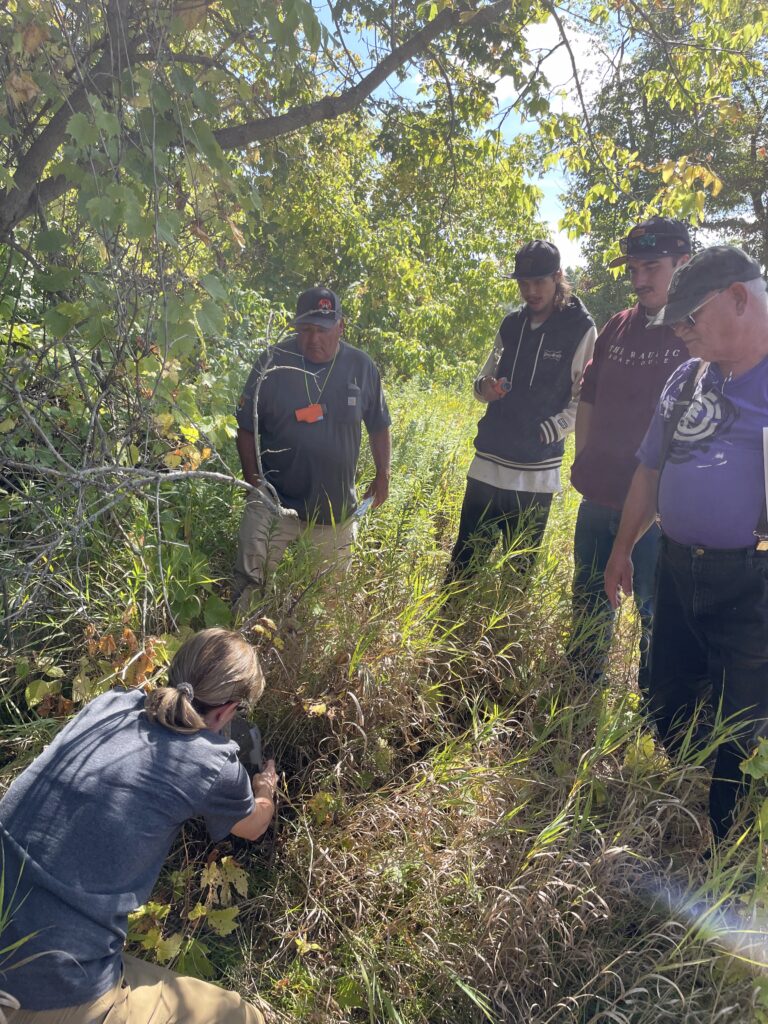
FGCA demonstrating the use of tree guards and caging to protect young butternut seedlings from rodent and deer damage with the Mississauga’s of Scugog Island First Nation. Photo credit: Nina Hunt
- Collect seed and maintain them in ex situ seed banks. Ex situ conservation, or, removing species from their natural environments and protecting them in controlled settings like seed banks can safeguard against extinction and preserve genetic diversity. The FGCA has worked with partner seed banking facilities such as the Canadian Forest Service’s National Tree Seed Centre and Ontario Forest Research Institute’s Ontario Tree Seed Genetic Archive since 2008 to bank representative genetic diversity of at-risk species across the province.
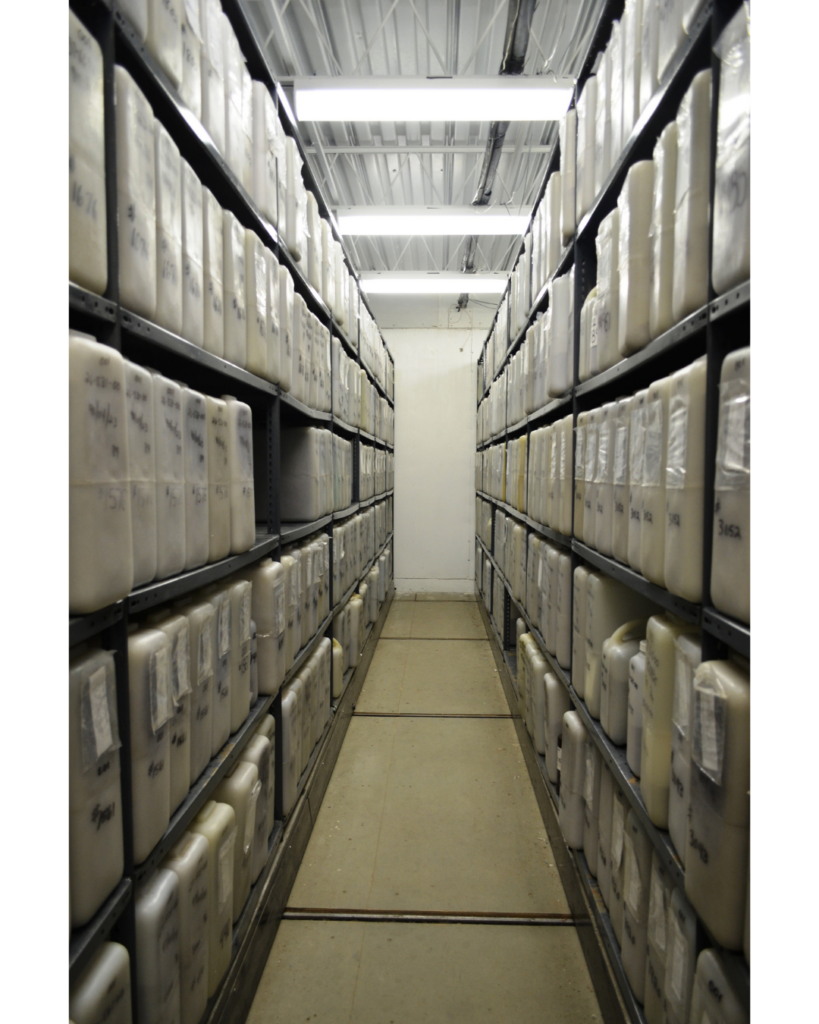
Seed banking facility containing seed collected by the FGCA. Photo credit:Kerry McLaven
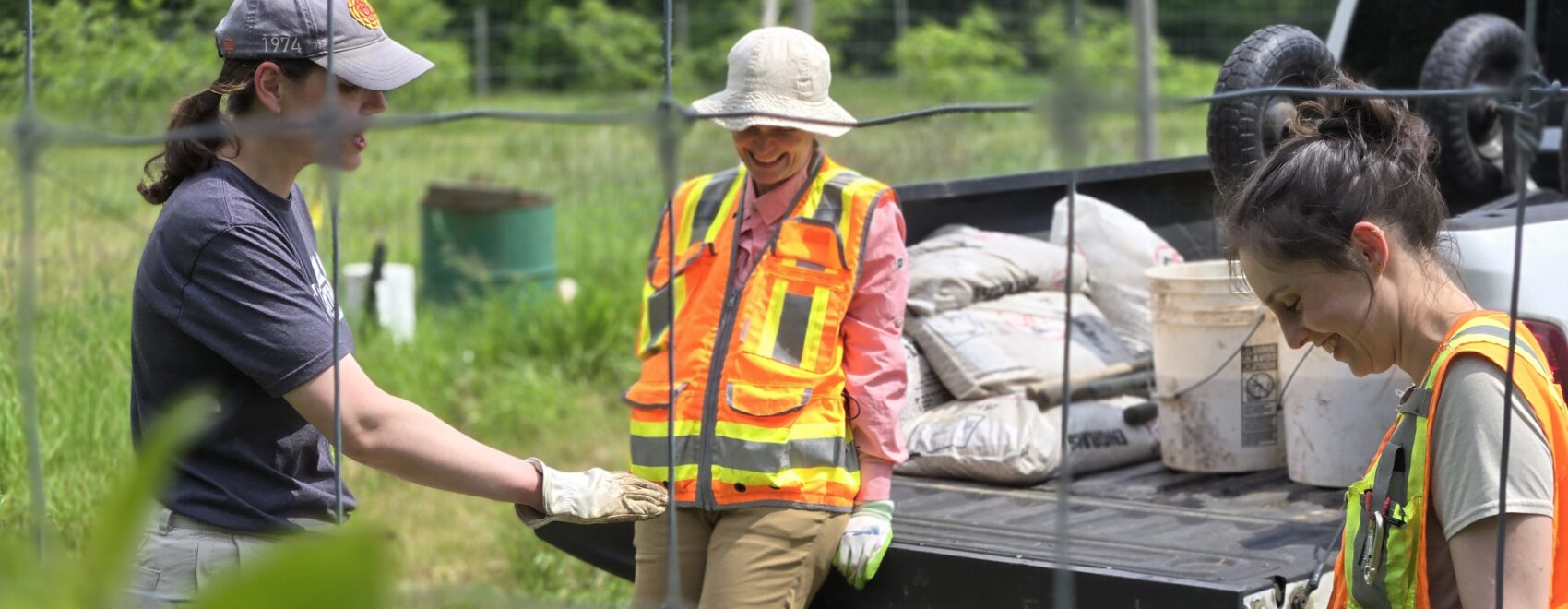
- Establish and maintain field genetic archives or seed orchards (ex/inter situ). Over the last two decades we have established and continue to maintain numerous field genetic archives for putatively tolerant butternut, and have begun establishing our first remnant/lingering black ash genetic archive.
These collections act as “lifeboats” for imperiled species or genetic resources that are not easily stored through traditional seed banking methods, while retaining representative genetic diversity and adaptive capacity. These require long term planning and organizational commitment, but play a significant role in preventing the extinction of long-lived tree species by providing plant genetic resources for research and material (seeds) for future reintroduction.
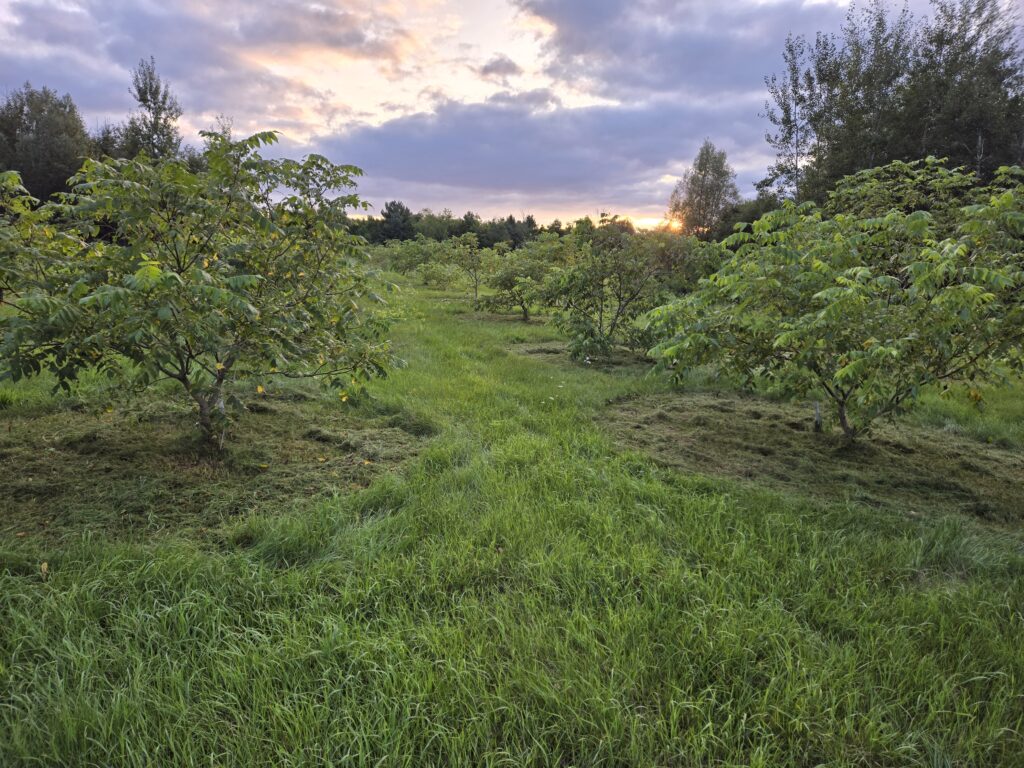
FGCA butternut genetic archive. Photo credit: Adam Youngblut.
- Support research that is critical to the recovery picture for woody at-risk species. This may include, but is not limited to, studies in the following areas: provenance or progeny trials, distribution and probability modelling, conservation/population genetics, tree resistance breeding and propagation, forest pest and pathogen studies, Indigenous uses and preservation of knowledge, regeneration ecology, habitat and habitat management studies, etc.
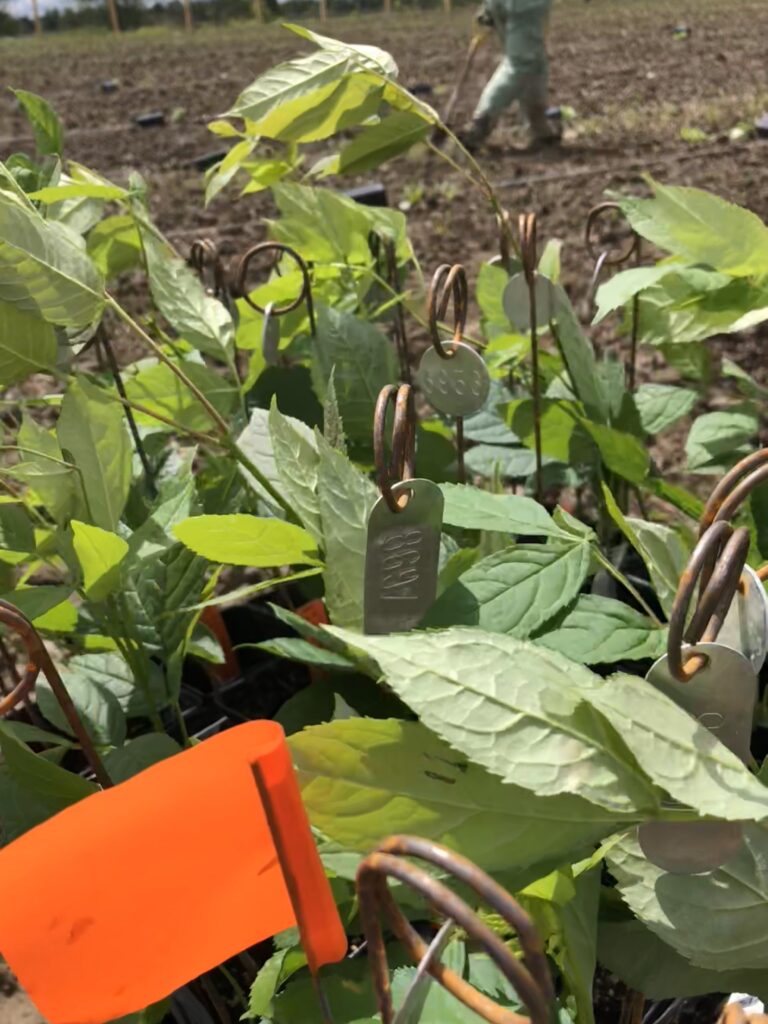
Provenance trial installation for black ash research at Penn State University and Canadian Forest Service. Photo credit: Nina Hunt.
Together, these strategies represent an integrated approach to species recovery that requires systems thinking, long-term partners and a long-term commitment to the conservation and recovery of some of Ontario and Canada’s most vulnerable tree species.
To stay informed on the latest in FGCA’s recovery efforts and learn how you can support recovery of Species at Risk in Ontario, consider becoming a member today.
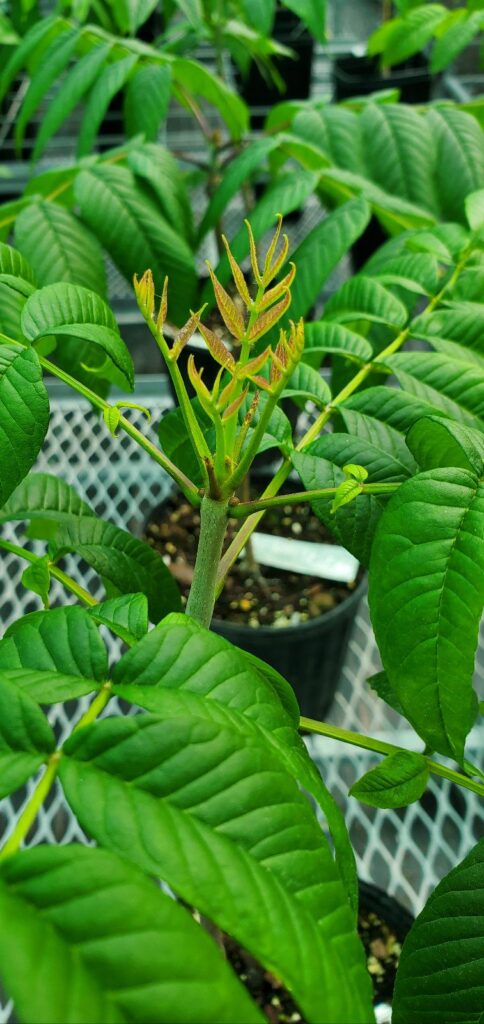
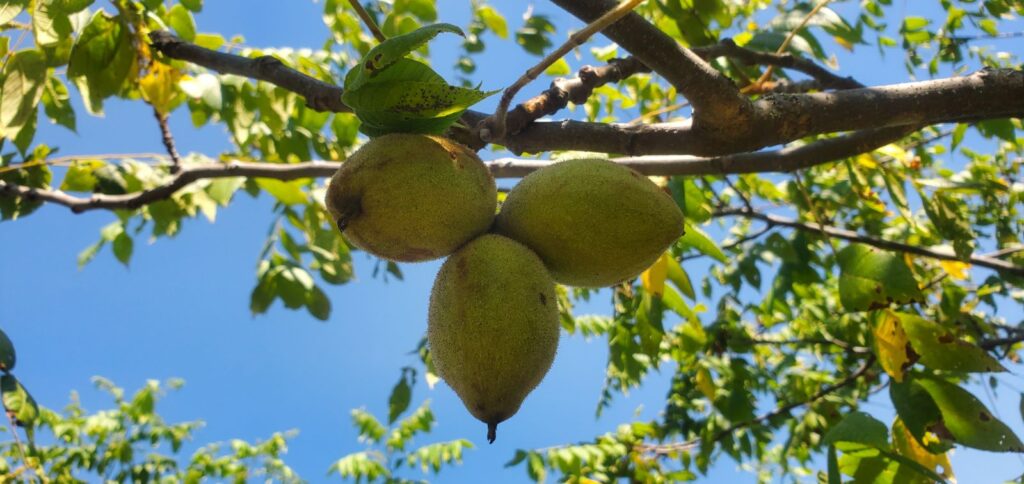
Photo credits: left: Briana Heuving, middle: Adam Youngblut, right: Briana Heuving
Leave a Reply
You must be logged in to post a comment.