
Cold Stratification, Delayed Dispersal, and the Winter Lives of Tree Seeds
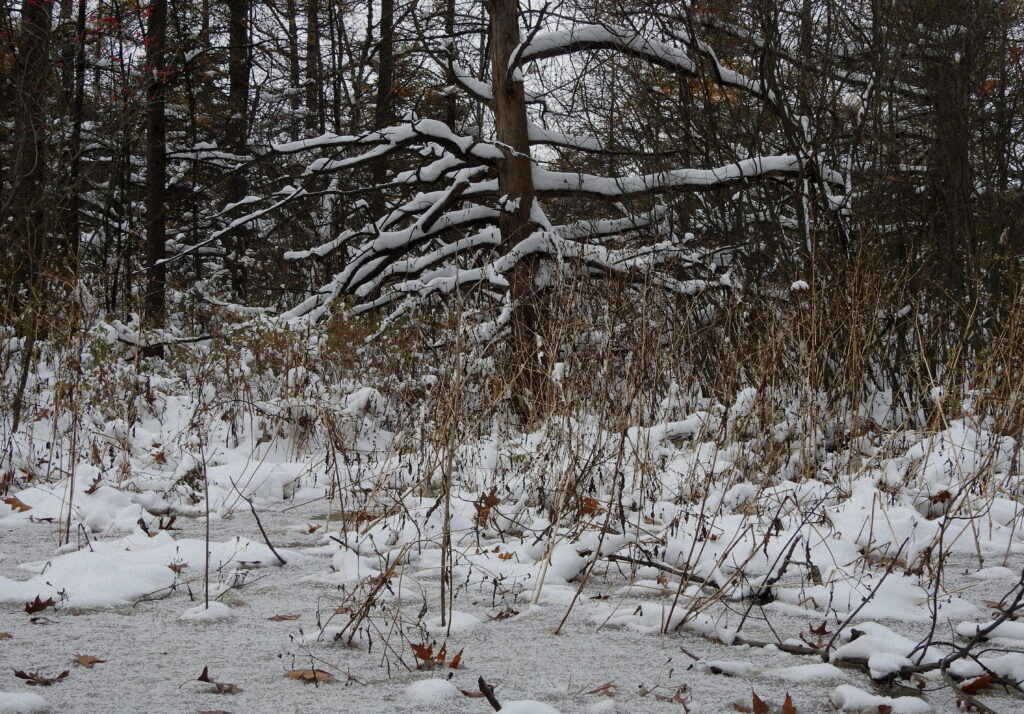
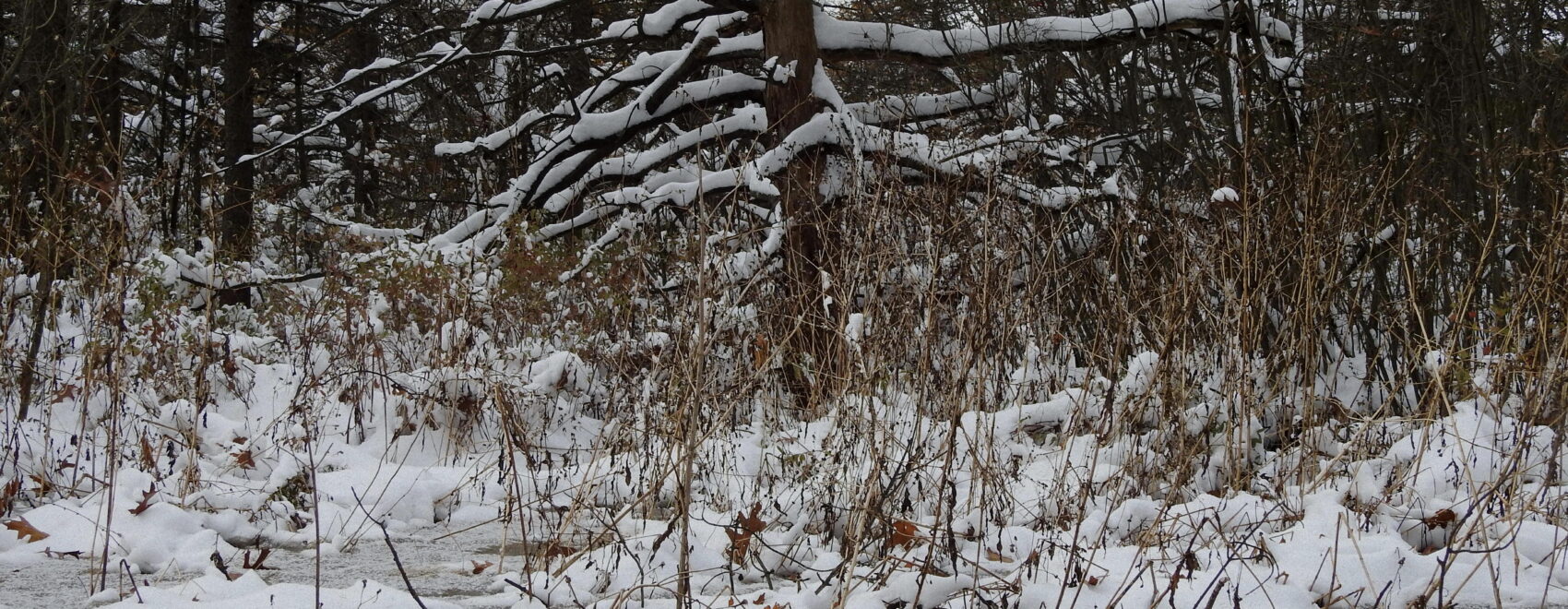
Winter is almost over, fingers crossed. Soon the forest floor will be dotted with seedlings: baby trees germinating from seeds tucked away in the soil. But what have those seeds been doing all winter? Are they hibernating?
Not exactly!
Most tree and shrub seeds are dispersed in summer and fall by wind, animals, water, gravity — and a lot of luck. Once they reach the ground, many spend the winter in the soil undergoing cold stratification, a process that exposes seeds to cold, moist conditions that help break dormancy. White Pine seeds, for example, need to spend 90 days in cold, moist, wintery conditions before they will even consider germinating. Experiencing winter is a necessary part of the reproductive cycle of most trees in Canada.
These seeds remain metabolically active though appear dormant from the outside, just waiting for the right environmental cues of spring—temperature and light—to germinate. During this time, seed coats break down and allow the seed to begin absorbing moisture.
Not all species follow the same timeline.
Species in the White Oak group, for example, often begin germinating almost immediately after dispersal. Their acorns sprout a radicle (the seedling’s first root) shortly after hitting the ground in autumn. In particularly wet years, white oak acorns may even begin sprouting before they fall from the tree. Red and silver maples also germinate quickly after dispersal, though their seeds are released in late spring rather than fall.
On the other hand, species in the Red Oak group like to take their time. After pollination, their acorns require two full growing seasons to mature. As a result, half-developed seeds remain on branch tips throughout the winter, exposed to cold winds and snow, before completing development the following year.
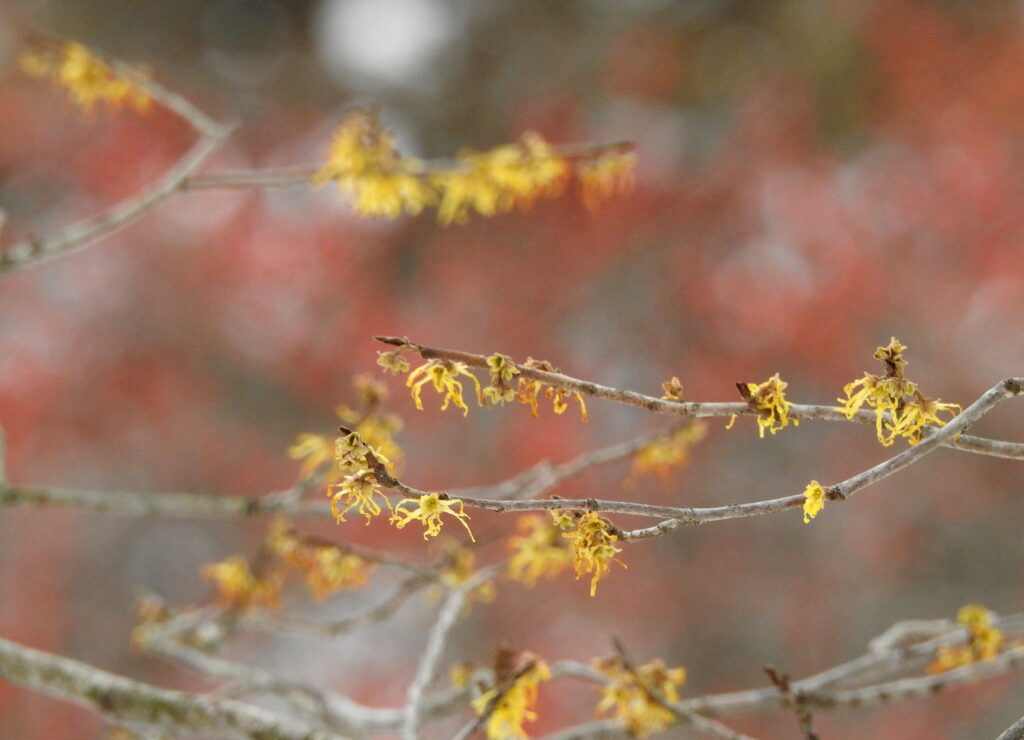
Witch-hazel follows yet another strategy. Because it flowers in late fall, its newly formed fruits must overwinter before maturing. This leads to an interesting overlap; in most years, witch hazel is being pollinated at the same time that seeds produced the previous year are being dispersed.
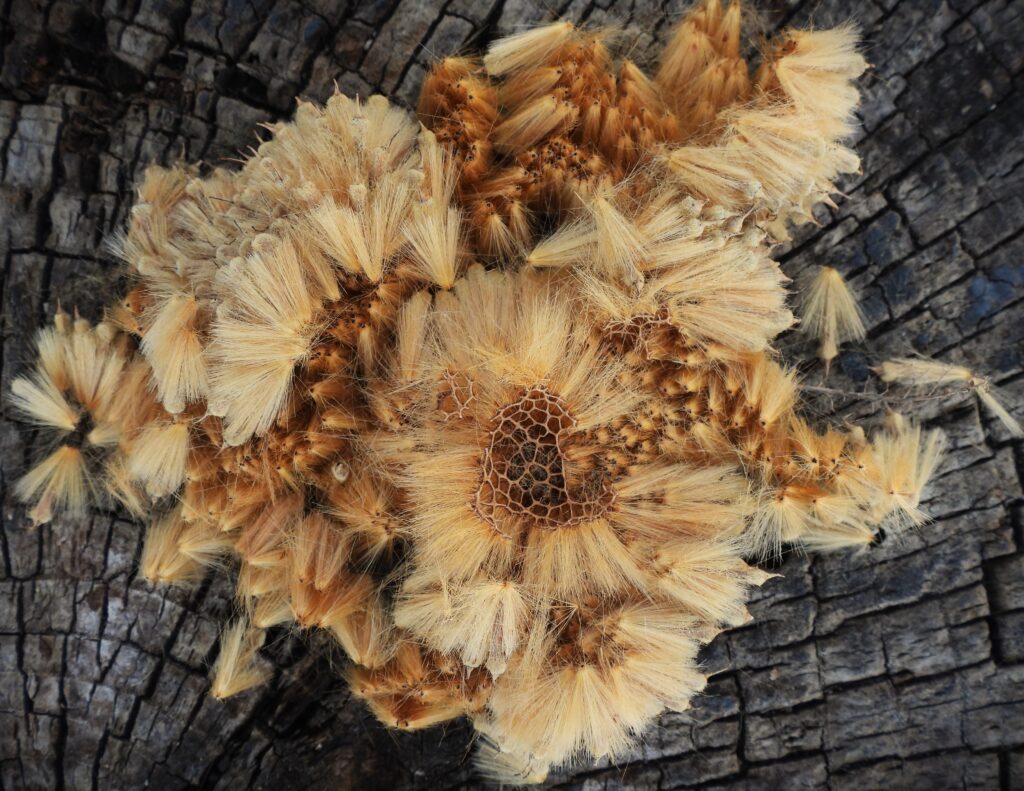
Sycamore fruits mature in fall, but don’t fall so easily, so their seeds also spend all winter blowing around in the forest canopy. Ice storms and freeze-thaw cycles will eventually bring these bobbles to the ground by the end of March, where the aggregate fruits dry out, and disperse their fuzzy seeds through wind and water.
Some berry-producing shrubs, such as Winterberry Holly, take advantage of winter conditions in a different way — retaining their bright fruit well into the colder months to attract resident birds when food sources are scarce, ensuring effective dispersal.
Tree seeds may look dormant in winter, but many are actively preparing for the next growing season — whether beneath the soil, on branch tips, or high in the canopy. Winter is not a pause in the forest’s life cycle; it is a critical stage in regeneration.
As spring approaches, take a closer look. You may spot sprouting acorns, keys, persistent fruits, or last year’s seeds still waiting for their cue.
Curious to learn more about identifying seeds and shrubs in Ontario and eastern Canada? The Forest Gene Conservation Association’s Seeds of Ontario and Eastern Canada manual is a practical field companion for recognizing species, understanding reproductive strategies, and strengthening your tree identification skills year-round. It’s a valuable resource for foresters, landowners, and anyone interested in forest regeneration.
Leave a Reply
You must be logged in to post a comment.